Editorial illustration
Two programmes, different structures
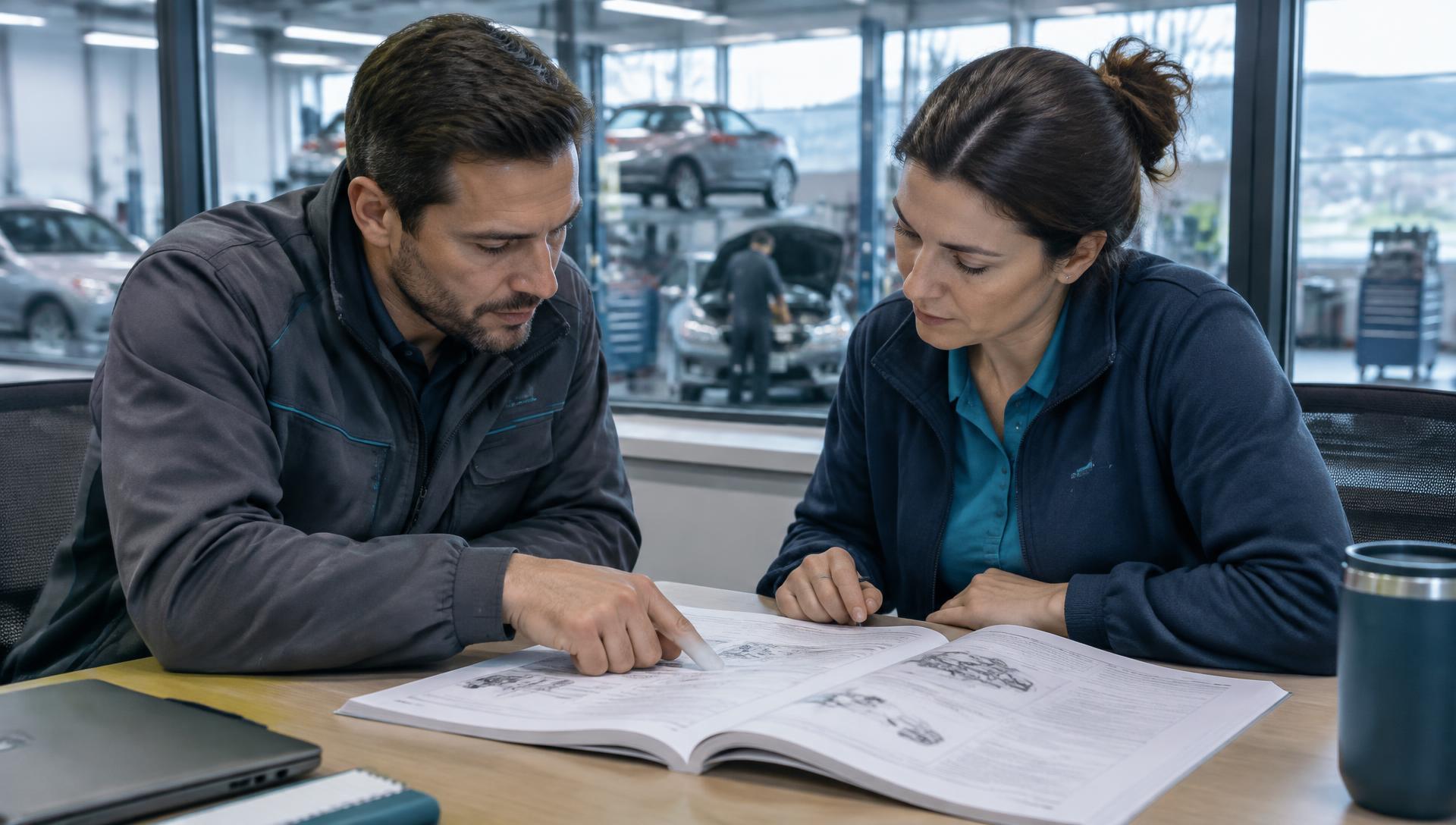
I helped a customer compare a national skills-based curriculum with a European programme organised around vehicle systems and technologies. The national academy already used the MOBILAR® framework. The European curriculum did not have a comparable skills model. Mapping one programme to the other was a legitimate request, but course titles, descriptions and durations could only tell part of the story.
Compare capabilities, not only course names
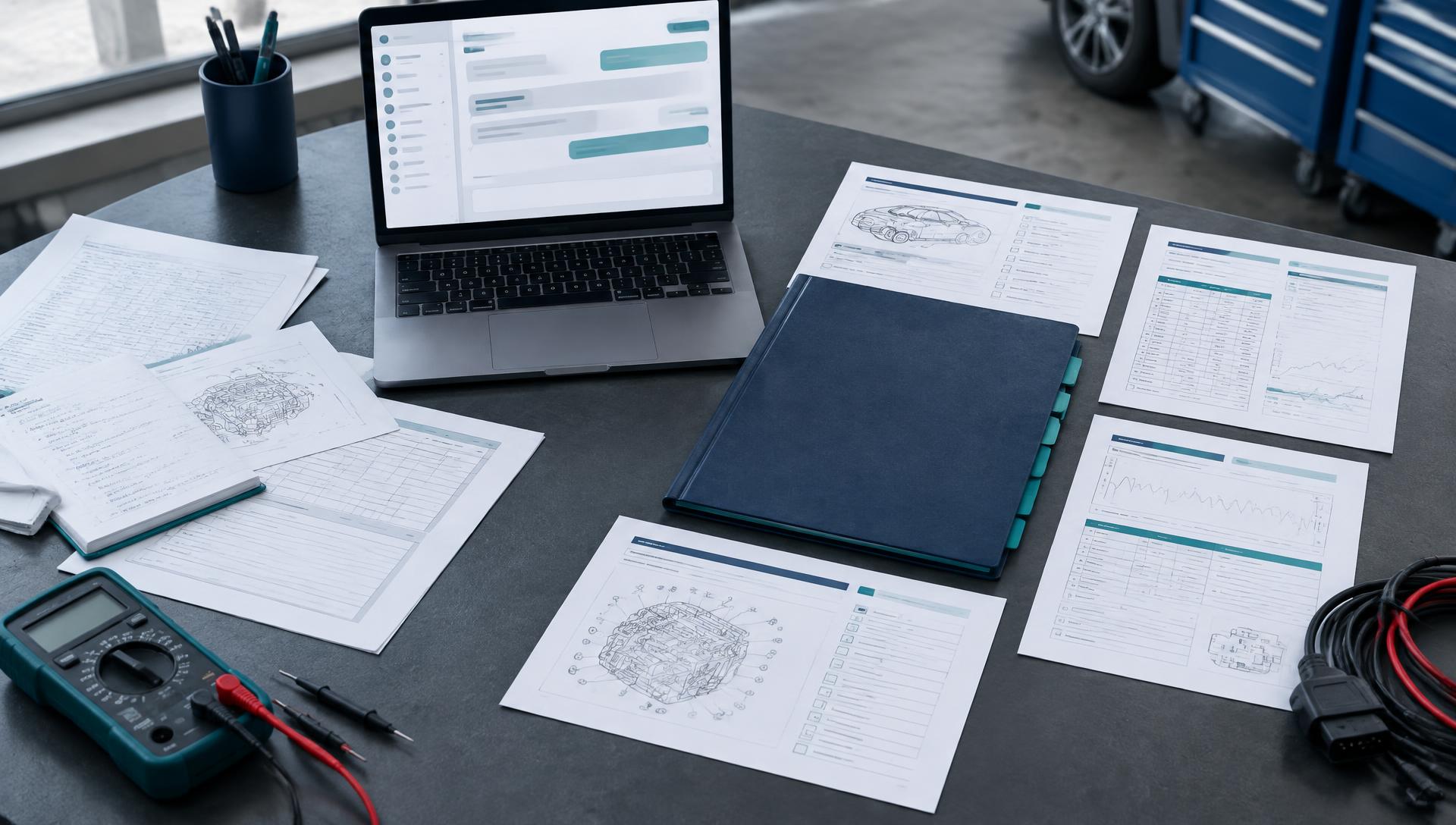
Different courses may develop the same capabilities. Similar titles may target different expectations. Electrical diagnosis can appear in several vehicle-system courses, while the underlying capabilities include interpreting wiring diagrams, selecting measurements, analysing symptoms and troubleshooting circuits. Vehicle systems provide different contexts in which technicians apply those capabilities.
System decoding and transferable capability
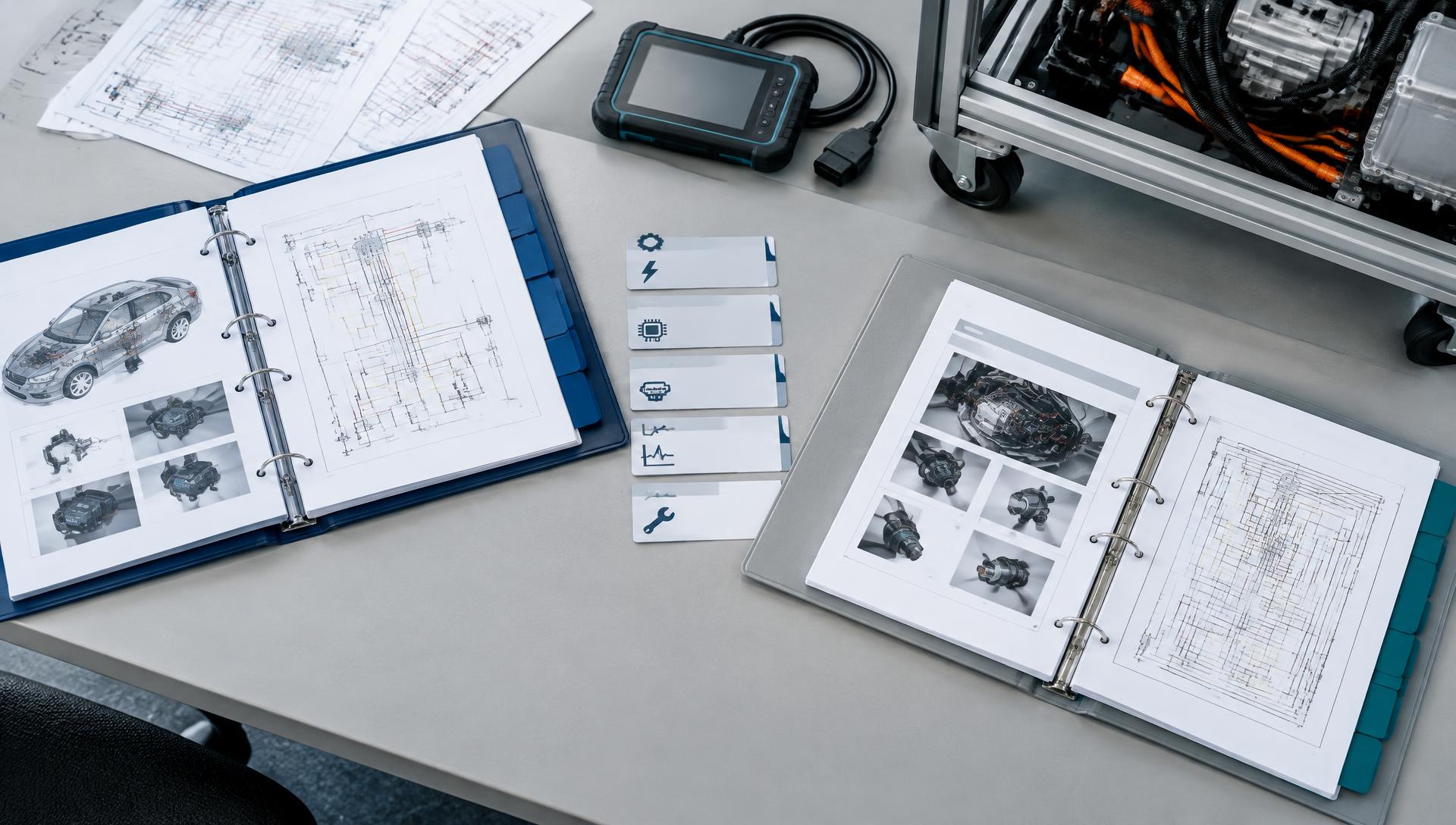
At MOBILAR®, system decoding describes a capability to understand unfamiliar systems when technicians encounter them. Rapidly changing vehicle technology makes memorising every system unrealistic. This does not remove system-specific knowledge. It means separating what technicians need to master from information they can retrieve when required, then assessing whether they can apply both in their work context.
AI used the framework; it did not invent it
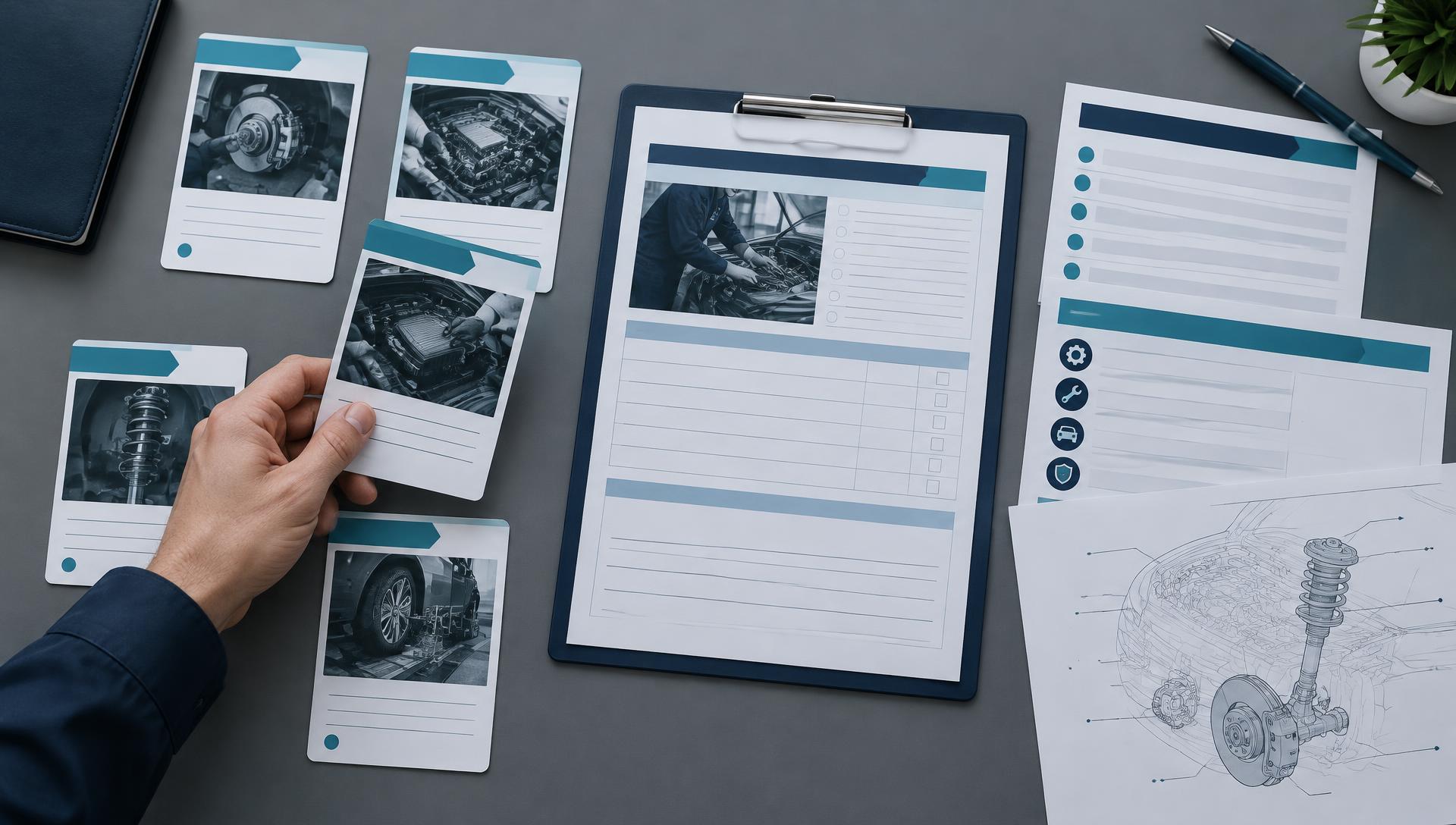
Using the MOBILAR® Agent within the customer’s protected environment, we interpreted the European learning objectives against the existing skills framework. Qualification requirements, the scope of tasks and previously acquired capability informed the mapping. An initial comparison was produced in approximately 30 minutes in this particular exercise. That is a reported experience, not a guaranteed turnaround time or a validated result for every curriculum. Experts still need to review the proposed links.
A common reference beyond the Academy
Repair Support identifies where technicians encounter difficulty. Training develops capability. Aftersales Management needs to understand workshop performance. A shared task and skills framework connects these perspectives. Curriculum coverage describes relevance, not proof that somebody has learned or can perform the work. Assessment evidence remains necessary to establish practical capability.
A practical example
In the reported exercise, a national skills-based programme and a European systems-based curriculum were compared using the customer’s existing MOBILAR® reference.
Questions we often hear
Does a shared framework replace system-specific knowledge?
No. It separates transferable capabilities from system-specific context and information.
Does mapping prove learning effectiveness?
No. It shows intended coverage. Practical assessment is needed to understand demonstrated capability.