Editorial illustration
What I noticed in the workshop
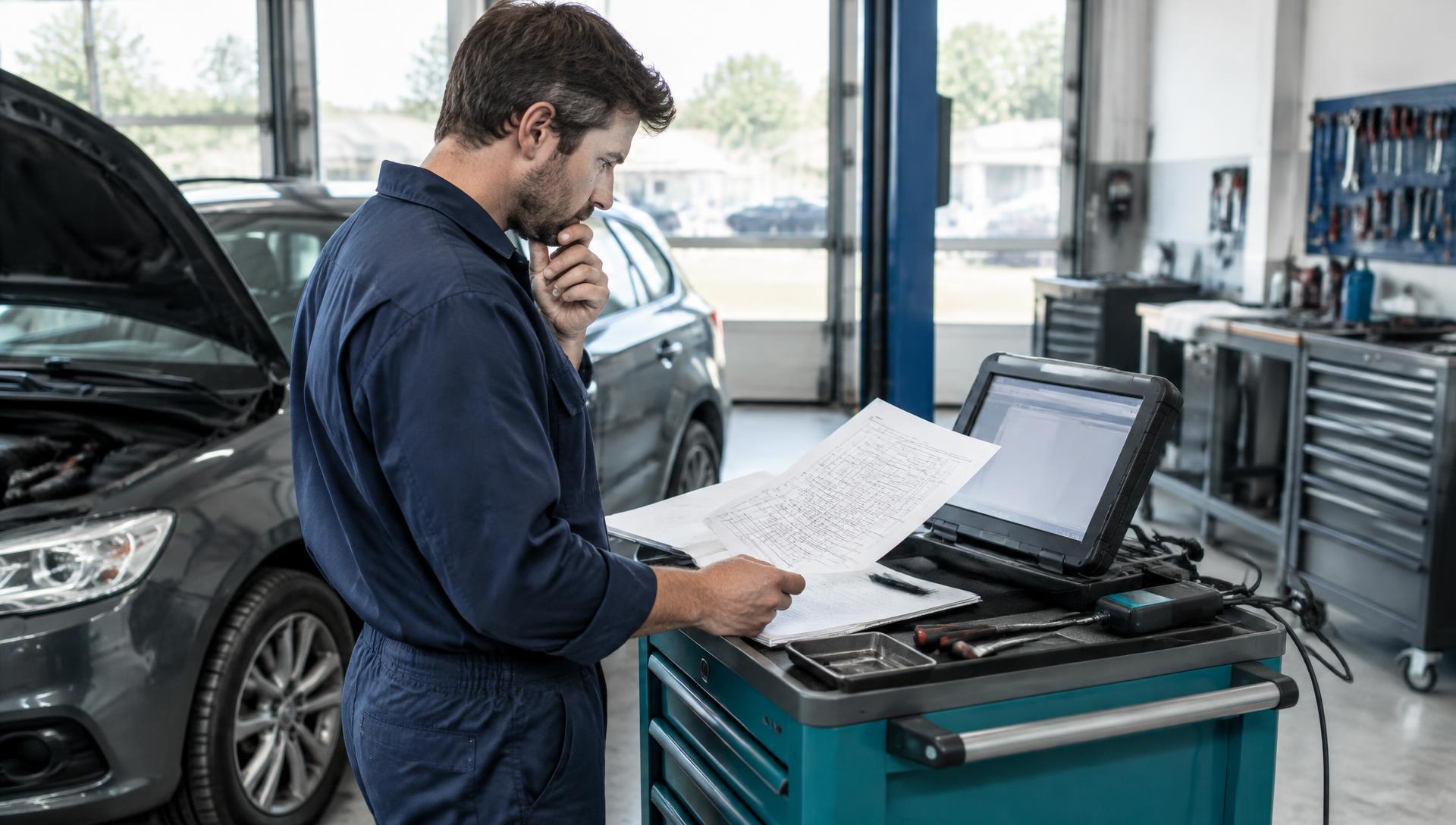
Taking an experiment from a training centre into a dealership led to an observation. When technicians struggled with diagnosis, they were not necessarily doing the wrong things. They tried an approach, went back, searched for information and tested another hypothesis. These moments can be valuable opportunities for workplace learning rather than evidence of failure.
What a coach would ask
An experienced coach might ask: why are you checking that, what are you trying to confirm, and have you considered another approach? Such questions help technicians make their reasoning explicit. But it is not practical to place a coach beside every technician throughout every investigation. The question is how to bring relevant support closer to the work without confusing support with assessment.
Before and after are not the whole picture
MOBILAR® supports structured screening and practical assessment, and can analyse repair-support data for recurring problems and potential skill gaps. Those approaches tell us something before or after the difficulty. They do not necessarily explain what the technician was trying to do at the exact moment they became stuck. Information, tooling or process can matter as much as capability.
An experiment, not an autonomous coach
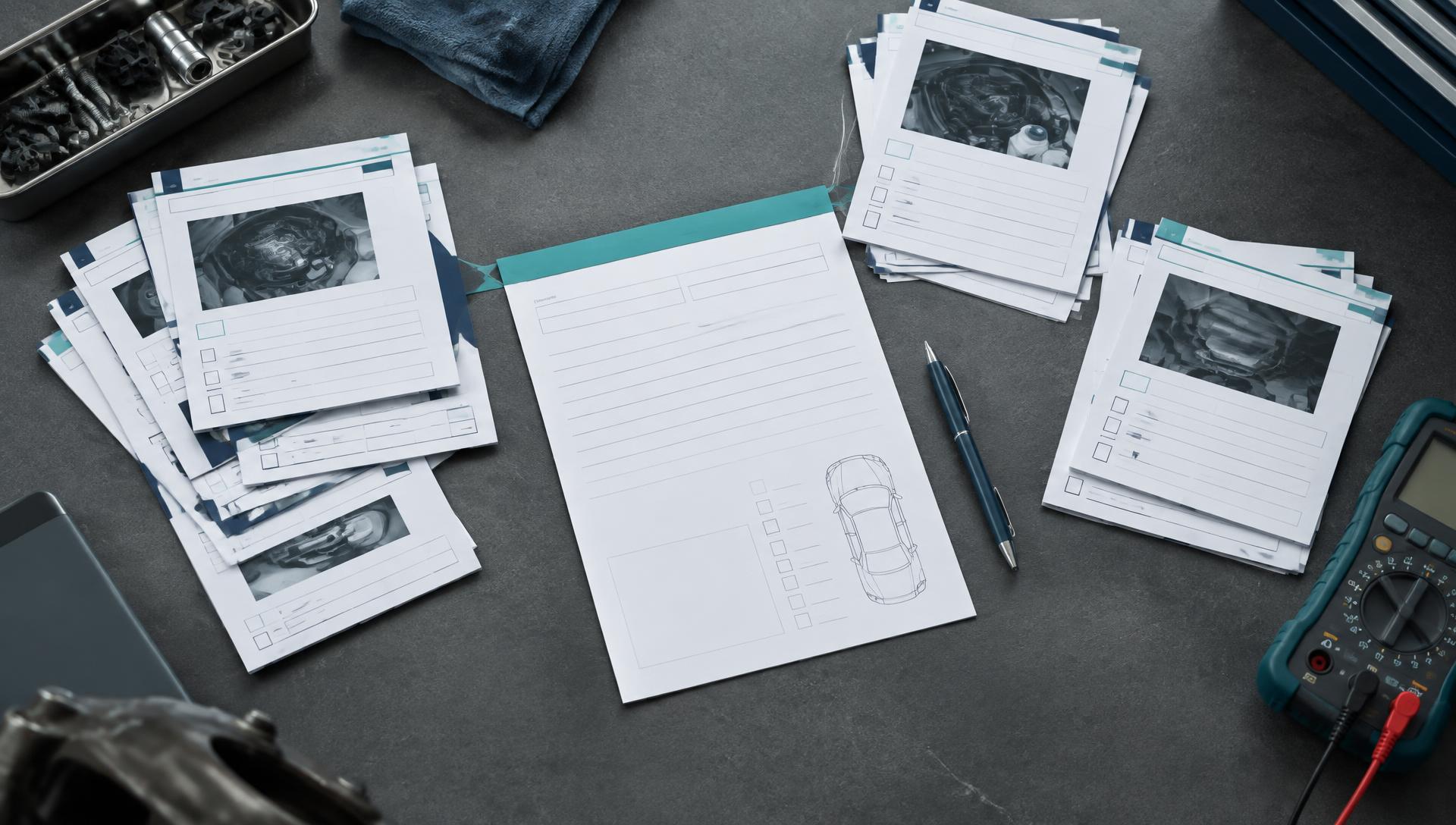
We are exploring recorded workshop activities and how AI might use task and skill libraries to understand where support could be useful. Photo and video evidence evaluation remains Pilot. Real-time coaching, automatically identifying an underlying gap and triggering learning during the job are exploratory directions, not available features promised by this article. Recording also needs appropriate permission, protection and a defined purpose.
Treat the moment as a question
A pause, repeated attempt or request for support may suggest where to investigate. It does not prove a skill gap. Relevant practical evidence and qualified review are still needed. Some findings may call for clearer information or technical support rather than training. The opportunity is to bring learning and skills intelligence closer to everyday work, while keeping the interpretation honest.
A practical example
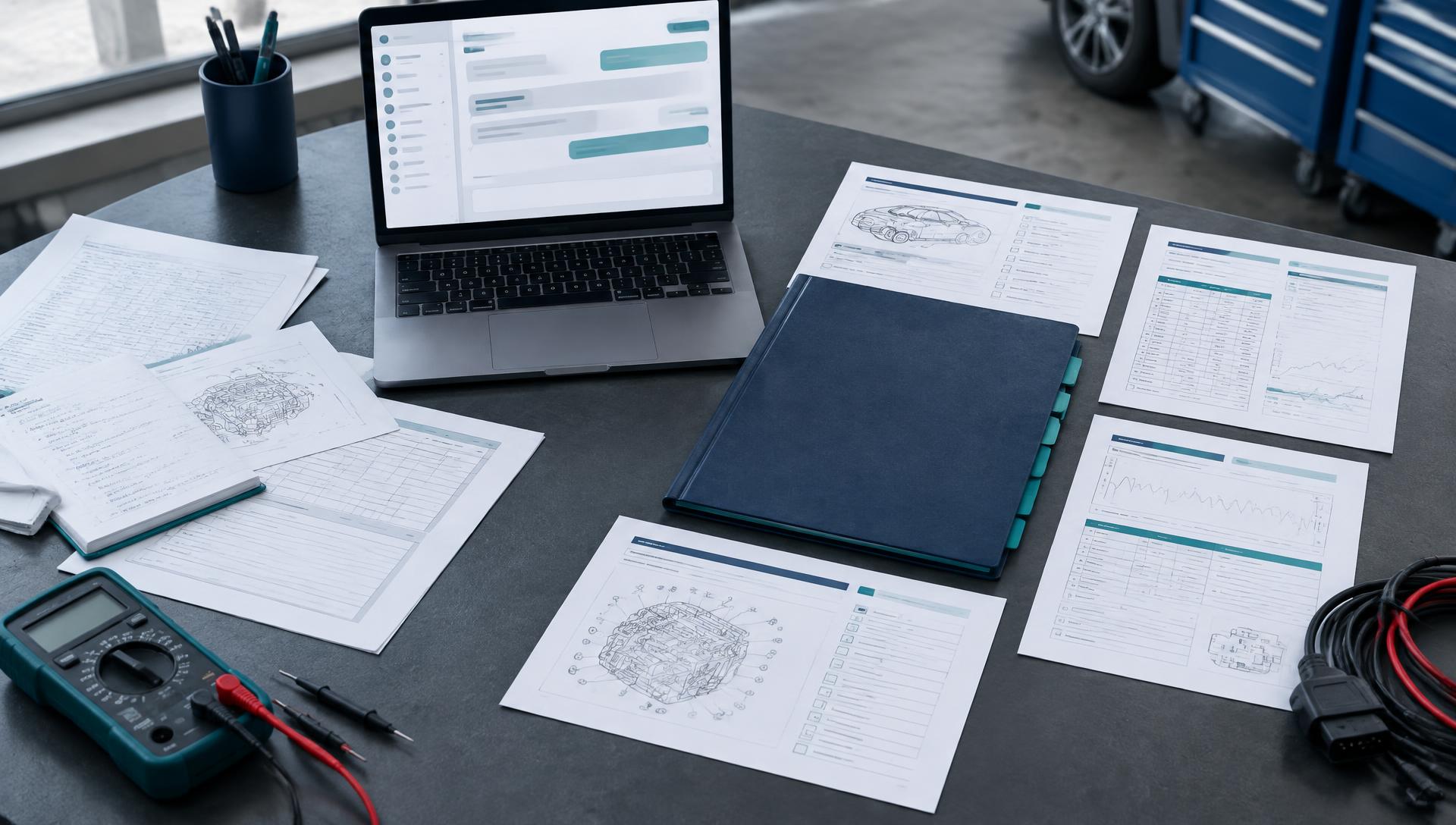
A technician returns to the wiring diagram after an inconclusive measurement. A coach might ask what hypothesis the technician is testing, rather than immediately prescribing a course.
Questions we often hear
Does getting stuck establish a skill gap?
No. The context and practical evidence need investigation; missing information or tools can also explain the difficulty.
Is autonomous real-time coaching available?
The scenario described here is exploratory. Photo and video evidence evaluation remains Pilot.