
Editorial illustration
A convincing conversation is only the beginning
A customer exploring conversational avatars for automotive sales advisors prompted an important question: how does AI know what it should assess? A virtual customer can respond naturally, ask unexpected questions and adapt to an answer. That makes a role-play engaging. It does not, by itself, make the resulting assessment reliable.
Define what good performance looks like
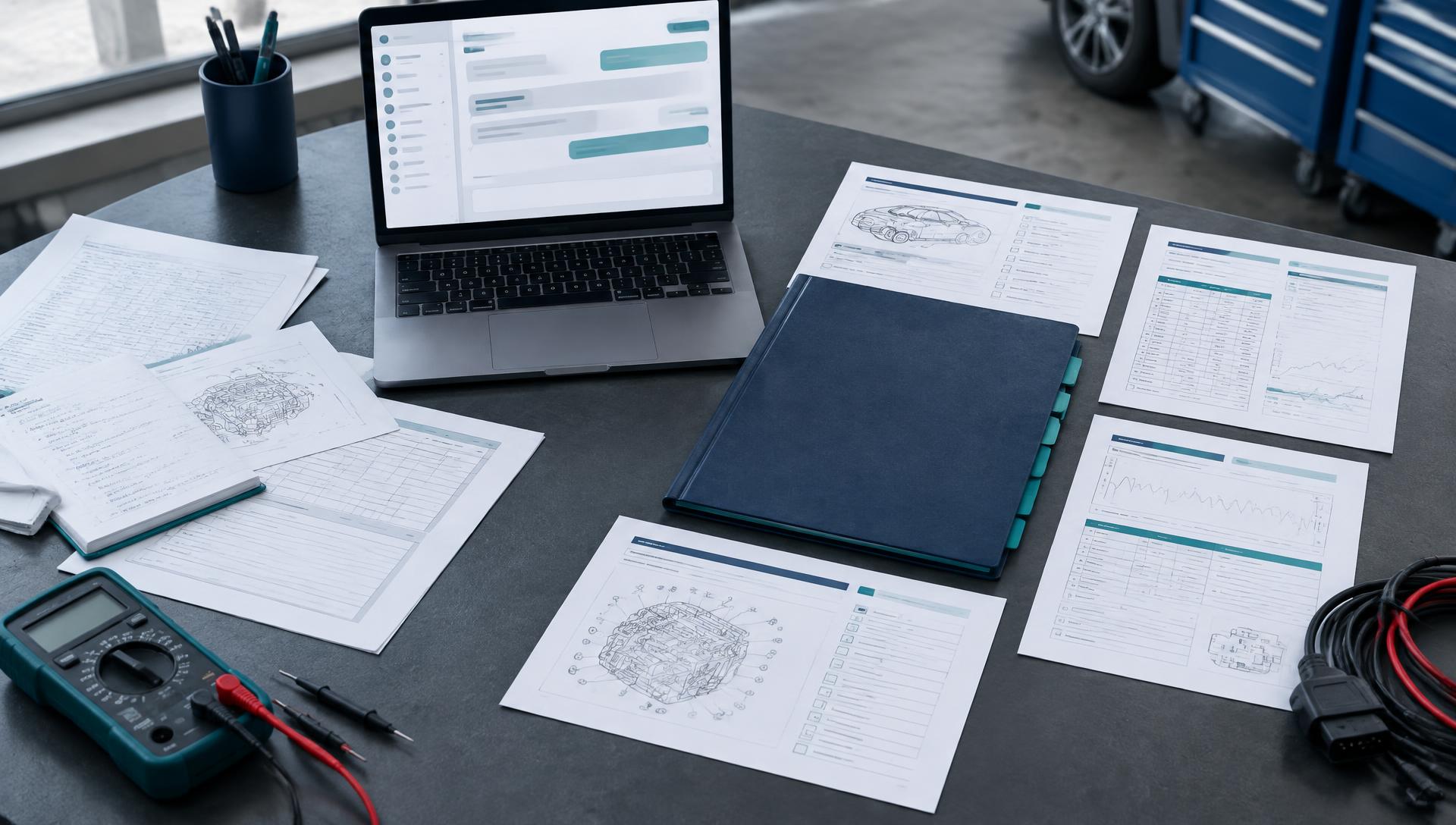
Consider a customer looking for an electric vehicle. A conversation about range, charging or battery degradation is not enough to assess whether an advisor identifies the customer’s needs. We need to define the skills, the behaviours that demonstrate them, the evidence already collected and the requirements that remain unproven. Only then can a conversation be directed toward relevant missing evidence.
Experience and assessment are different layers
The avatar provides the experience. The skills model provides the assessment reference. A natural answer is not automatically evidence of every skill involved. Reviewers need to understand what was demonstrated, what could not be observed and where another activity or human judgement is necessary. Assessment design matters at least as much as the realism of the virtual customer.
Connecting specialised capabilities
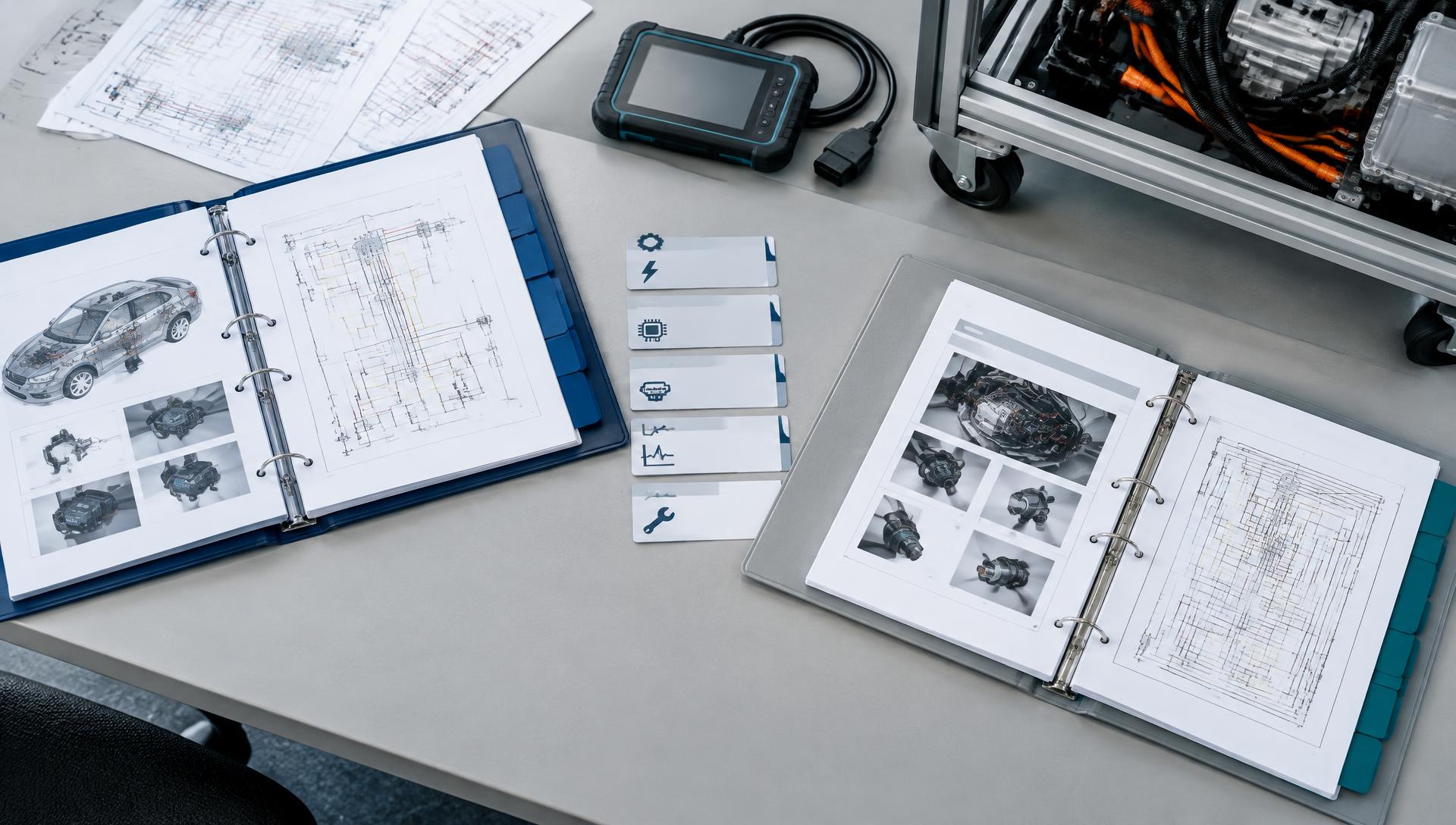
Customer satisfaction signals might suggest an area to investigate. OEM product information could make a scenario realistic. Task and skill libraries could define expectations, while assessment results and learning content inform development. Technologies such as MCP could connect these specialised capabilities. This is an exploratory ecosystem scenario, not a claim that MOBILAR® currently offers a released sales-advisor avatar or these named connections.
The opportunity we are exploring
The direction is to use structured task and skill models to guide what AI asks, what evidence it recognises and what it proposes next. Qualified people must validate assessment conclusions. A realistic conversation does not automatically make a good skills assessment. The larger opportunity is a common intelligence layer that keeps the experience connected to meaningful professional evidence.
A practical example
An EV sales conversation can discuss charging without demonstrating that the advisor understood the customer’s actual use case. A defined observation reference makes that distinction explicit.
Questions we often hear
Is this a released MOBILAR® avatar?
No. The article describes an exploratory direction, not a released sales-advisor avatar.
Who validates the assessment?
Qualified people must review the evidence and validate assessment conclusions.