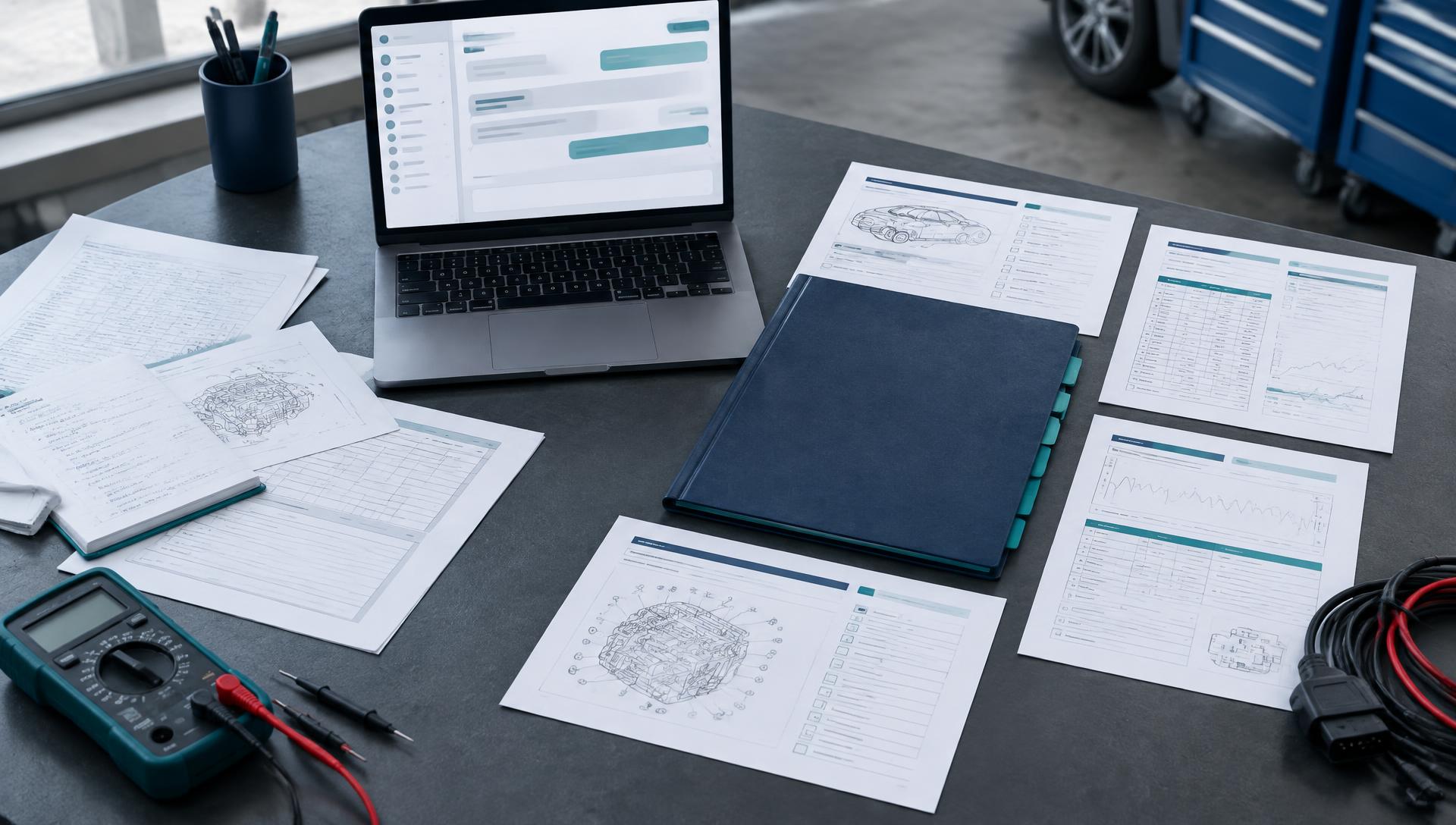
Editorial illustration
The appetite to pilot is there
Over the past couple of weeks, I’ve given several MOBILAR® demos. What stood out was how willing training organizations were to try the Mobilar Assistant with their own training material. Many are being asked to support more technicians or keep more training up to date with the budget they already have. We’re already running pilots at MOBILAR® to see where the Assistant can help trainers in their day-to-day work. The willingness to start is there. A little preparation helps turn that interest into a pilot the team can learn from.
Choose one activity and agree what to measure
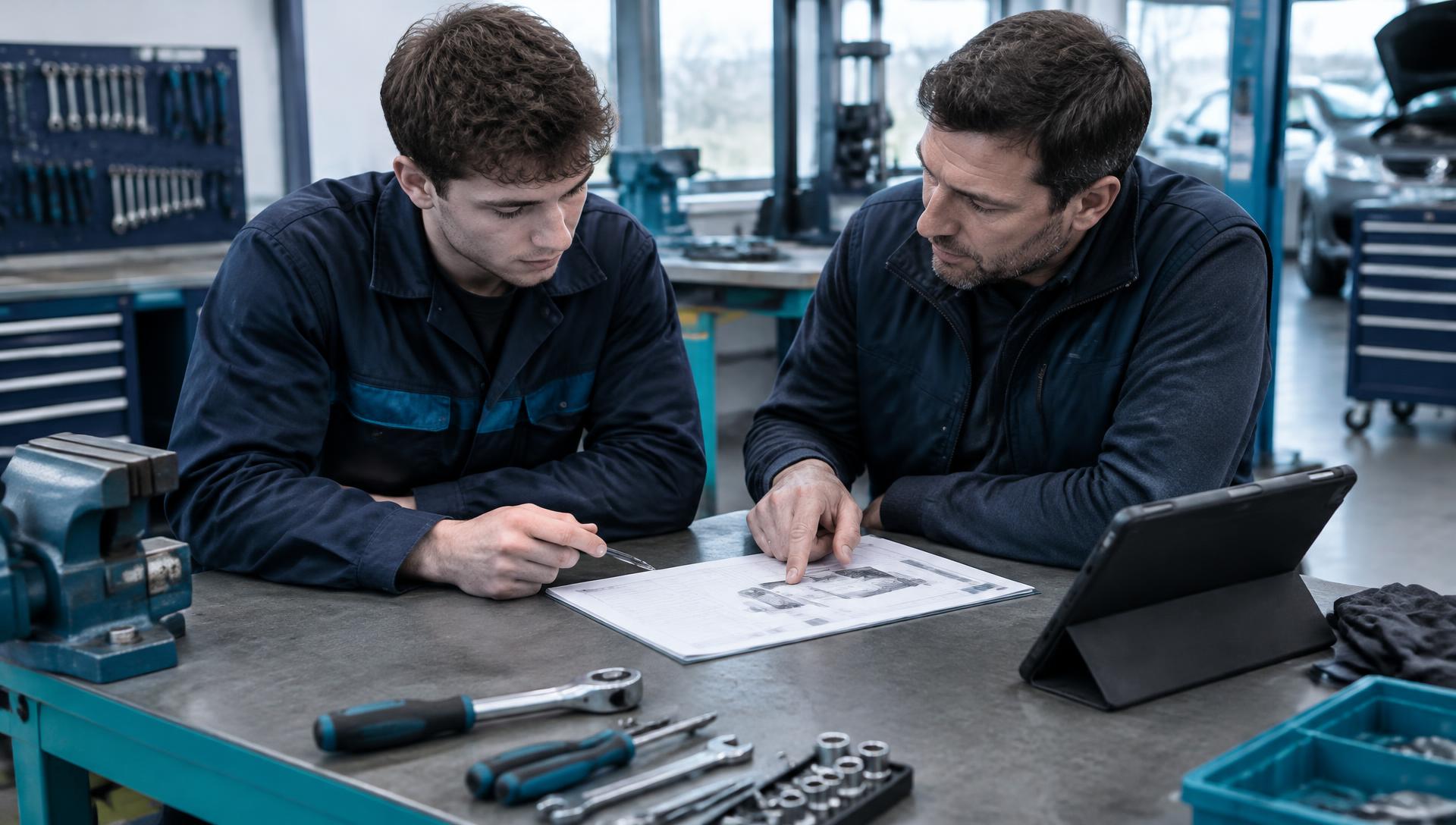
Pick an exercise your team already runs and involve the trainer who knows it best. If preparing an assessment activity takes time, start there. Note how long it normally takes to prepare and review the full activity. Agree what a usable checklist needs to cover, who will approve it and when you’ll review the pilot together. This gives you a way to judge both the effort involved and the quality of the result.
Turn one expert demonstration into a checklist
Record an experienced trainer demonstrating the activity as it should be performed. The Mobilar Assistant can use that video to draft a checklist of observable steps. The trainer reviews the draft, adds things the video can’t explain on its own and checks that the criteria reflect what they want technicians to demonstrate. The recording captures expertise that the team can reuse when developing the assessment. The pilot can show how much preparation time that frees up once you include the time needed to record, review and revise.
Improve it in short cycles
Try the checklist on a few attempts. Ask assessors where the wording was clear and where they interpreted an item differently. Refine the checklist or the recording, then try it again. Set aside time for this from the start. Each cycle helps the team see what has improved and what still takes effort. At the review, you can decide whether to use it for another activity, make another adjustment or move on to a better use case.
A code of good practice for your first pilot
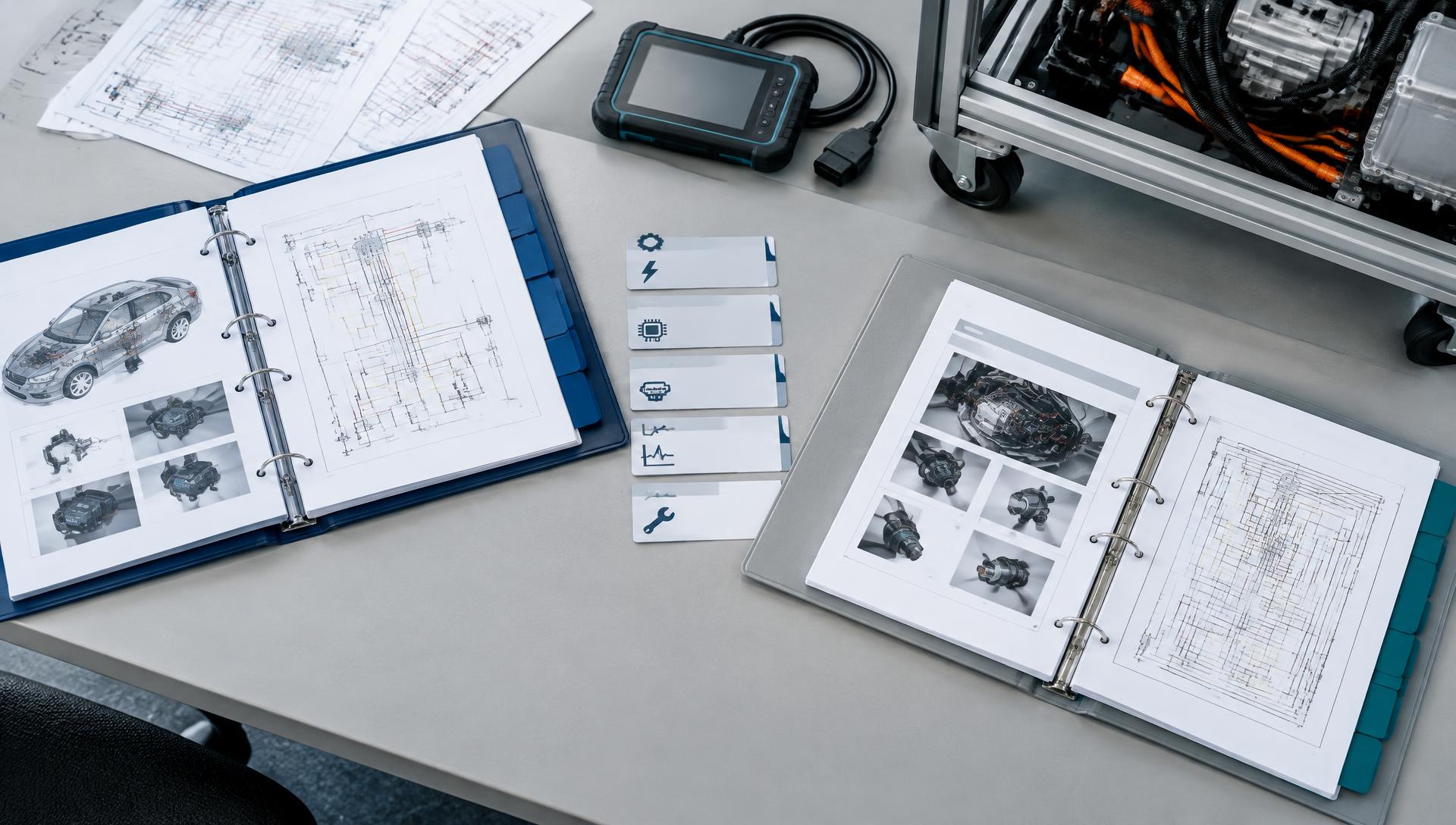
Our free MOBILAR® field guide brings together practices from the pilots we’re already running. Its six worksheets help you choose an activity, agree what good looks like and decide how to review what you learn. Bring one exercise to your next training team meeting and use the guide to shape a first pilot together.
Our key learning this week?
Start with one activity your team knows well. Give trainers time to try it, refine it and measure the total effort. That’s how you find out whether the Mobilar Assistant can help your team do more with the budget it has.